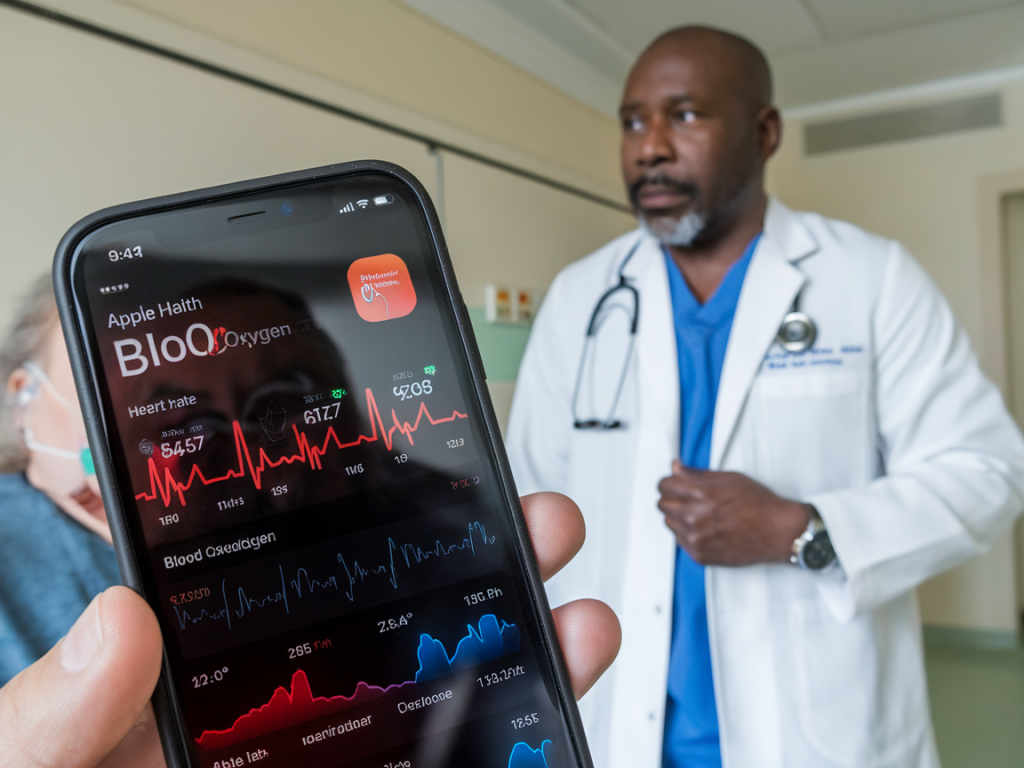
I started paying close attention to Apple’s Health Records feature because it promised something we all want: one place on our phones where medical data from different providers can live together. As a reader and editor who covers technology and public policy, I’m fascinated by tools that make life simpler. But the more I dug into how Health Records actually works in practice, the more I noticed a troubling gap: the feature can leave patients outside the hospital setting—those who rely on community clinics, independent specialists, telehealth platforms, or paper-based records—vulnerable in ways most users don’t anticipate.
How Apple Health Records is supposed to help
Apple pitched Health Records around two core promises: interoperability and user control. Using standards like FHIR (Fast Healthcare Interoperability Resources), many hospitals and large health systems can send structured clinical data—lab results, medications, allergies—directly to the Health app on your iPhone. That information is encrypted on the device and, if you enable iCloud backup, encrypted in transit and at rest by Apple’s infrastructure.
In practice, that means a patient who moves between hospital systems that support Health Records can see a consolidated timeline of key medical events. For busy clinicians and patients, that’s undeniably useful—no more faxing records or waiting on patient portals to produce PDFs.
Where the privacy gaps show up
But those benefits primarily apply to interactions within hospitals and health systems that have invested in electronic health record (EHR) integration. Outside that world—think small independent clinics, many mental health providers, urgent care centers, and third-party telehealth services—things look very different. Here are the main gaps I’ve identified:
Real-world scenarios that worry me
Consider a patient who uses a small community clinic that emails PDF visit notes. The clinic is careful with the PDF and follows standard security practices, but it does not support FHIR-based record sharing. The patient manually saves the PDF to the Files app, then copies data into a symptom-tracking app that has permission to read Health data. That app later shares anonymized data with a startup partner. Suddenly, highly personal clinical notes have pathways Apple’s ecosystem neither controls nor necessarily protects.
Or a different example: someone uses telehealth for behavioral health with a provider that isn’t a HIPAA-covered entity—perhaps a startup that says it’s “health-focused” but not a covered medical provider. The patient authorizes a mental wellness app to read mood-tracking entries alongside hospital lab results. If that app uses data for targeted offers or partners with advertisers, sensitive behavioral health details could seep into places outside clinical care—unknown to the patient’s providers and regulators.
Comparing protections: inside vs outside traditional hospitals
| Setting | Typical legal protections | Data flow to Apple Health | Risks |
|---|---|---|---|
| Large hospital / health system | HIPAA-covered; contractual controls | Often direct FHIR integration into Health Records | Lower legal risk; still potential metadata exposure |
| Independent clinics / small practices | Usually HIPAA-covered, but limited EHR integration | Often PDFs, portals; manual transfers by patients | Incomplete records on phone; manual steps create exposure |
| Telehealth startups / wellness apps | May not be HIPAA-covered | May sync via APIs or manual entry | Higher risk of data use for non-clinical purposes |
What patients and clinicians should watch for
I tell people to be pragmatic: the convenience of consolidated records is real, but you should use it with awareness. Here are practical steps I recommend:
How policymakers and companies could do better
I believe this is not just a technical problem but a policy one. Technology companies like Apple can build clearer consent flows that surface legal protections and provenance for each clinical item. App stores could require stricter transparency for health data uses. Regulators could extend baseline privacy protections to health data handled outside traditional covered entities or at least tighten rules for de-identified data reuse.
Hospitals and smaller providers should be supported to adopt standard APIs so patient data is less fragmented. And patients deserve clearer language at every step: when you connect a provider to your phone, you should see not only the clinical data but who legally controls it and how it might be used beyond your care.
I’m excited by the promise of phone-based health records, but excitement should be paired with caution. As these tools become core parts of healthcare workflows—beyond hospital walls and into our daily lives—we need design and policy that protect the most vulnerable users, not just the well-resourced systems that can afford integration. Otherwise, we’ll trade an important convenience for privacy gaps that could be hard to close.