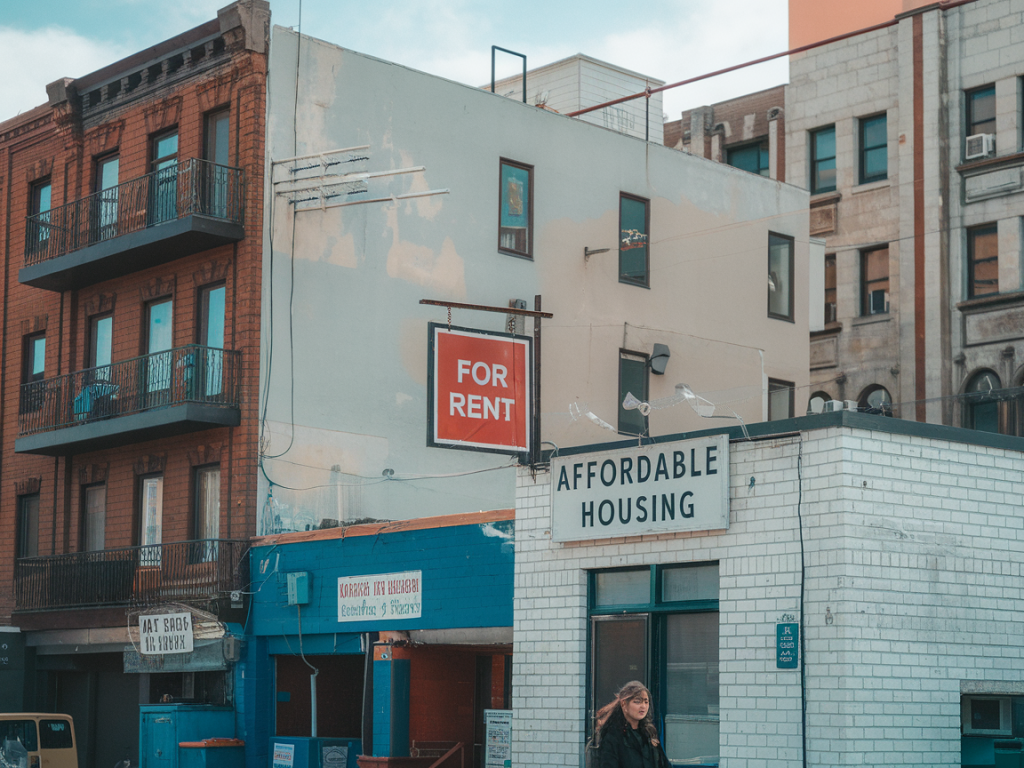
I started paying attention to short-term rentals years ago because they were where I lived, breathed and reported on two big trends: the rise of platforms like Airbnb and the scramble by cities to protect housing affordability. What looked like a sharing-economy boon for travelers quickly revealed itself as a policy headache for neighborhoods losing long-term homes. Over the past few years, I've watched municipal leaders experiment with zoning tweaks, tax abatements and other incentives to convert short-term rentals (STRs) back into affordable housing. Some approaches work better than others. Below I lay out what cities are doing, how the tools operate in practice, and what tenants — or landlords interested in the public good — can do.
Why convert short-term rentals into affordable housing?
Short-term rentals can remove units from local housing markets: a condo that could house a family becomes a nightly vacation unit. That reduces supply, pushes up rents, and changes neighborhood dynamics. Converting STRs to long-term affordable housing aims to recapture supply, stabilize rents, and preserve community. But conversion takes more than wishful thinking — it requires aligning zoning, taxes and incentives so owners find it worth their while to switch.
How zoning tweaks encourage conversions
Zoning is the tool cities use first because it controls land use. Here are common zoning strategies I’ve seen:
These zoning levers work best when paired with financial incentives because many STR owners profit more from nightly rates than from long-term tenants. Which brings us to tax abatements.
Tax abatements and financial incentives that make conversion viable
Tax abatements reduce or defer property taxes for a set period. When structured right, they can bridge the gap between STR revenue and lower long-term rents. Common designs include:
There’s a key political calculation here: abatements are politically sensitive because they reduce short-term revenue. But the trade-off cities make is between immediate collections and long-term housing stability. Effective programs set clear accountability (ex: regular inspections, deed restrictions) to ensure units remain affordable for the promised period.
Examples from the field
Different cities tailor these tools to local markets. Here are condensed examples to show how they combine zoning and taxes:
| City | Policy mix | Result |
|---|---|---|
| City A | STR permit caps + 7-year tax abatement for conversions | Rapid voluntary conversions in tourism-heavy neighborhoods |
| City B | Overlay zone allowing added density in exchange for 20% affordable units | New developments convert previous STR stock into mixed-income buildings |
| City C | Grants for unit rehab + requirement to list units on long-term rental registries | Lower-cost conversions but slower uptake without stronger tax incentives |
These examples simplify nuance, but they show that pairing regulatory limits with carrots (tax breaks, grants) is more effective than either approach alone.
What tenants and prospective renters can do
If you’re someone looking for stable, affordable housing — or a renter worried about STRs in your building — there are concrete steps you can take:
For renters confronting landlords who want to switch to STRs, local tenant protection laws matter. Eviction protections, relocation assistance, and right-of-first-refusal rules can create breathing room while policy catches up.
What landlords who want to do the right thing should consider
Not all STR owners are getting rich; many are small landlords who rent spare rooms or a second property. If you’re a landlord weighing conversion:
Practical obstacles and trade-offs
No policy is perfect. Zoning changes can spark NIMBY pushback. Tax abatements reduce municipal revenue and must be tied to enforceable affordability standards. Conversions can be administratively complex — tracking affordability, inspections, and compliance requires staff and funding. Cities with weak housing markets may not be able to entice owners with abatements alone.
That said, thoughtful programs combine:
I've seen successful pilots where cities start small, learn quickly, and adjust program terms — shortening or lengthening abatement periods, tightening occupancy rules, or expanding rehab supports. The most promising models treat the conversion of STRs as one tool among many to preserve housing affordability, not as a silver bullet.
If you care about housing stability where you live, push your local officials to pair zoning with financial incentives and strong accountability. And if you’re a landlord, consider whether contributing to long-term housing stability could be profitable and socially valuable — especially when the policy environment shifts. The stakes are high: we can either let entire blocks become part of a transient hospitality economy, or we can use smart, targeted policy to keep homes for people who live and work in our cities.