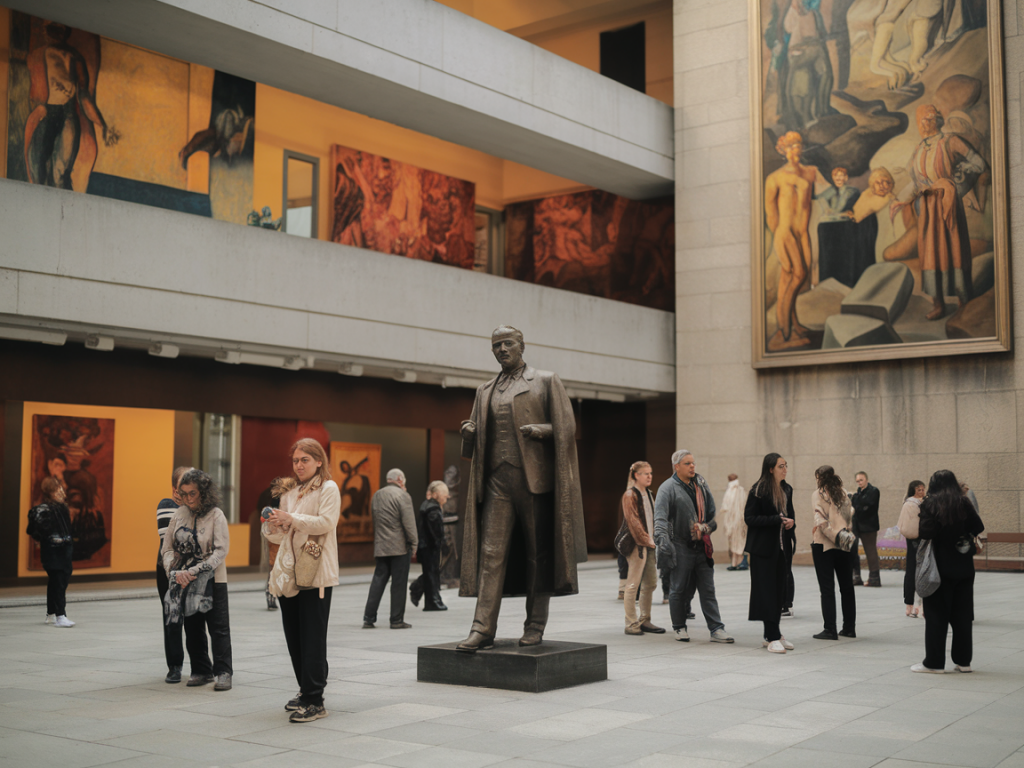
When a museum, gallery, orchestra, or theatre finds itself at the center of a controversy over representation, the fallout is rarely only about a single exhibit or performance. Trust — the fragile currency that cultural institutions trade in — takes a hit. I’ve watched and written about these moments enough to know that how an institution responds matters as much as the original misstep. Responses can either widen the breach or begin the slow work of repair.
Start with clear, honest acknowledgment
Silence or defensiveness is what people remember. The first thing an institution must do is acknowledge harm plainly and without equivocation. That doesn’t mean a short, legalistic statement. It means owning what happened, naming who was affected, and explaining why the institution understands the harm as such.
In practice this looks like a public statement from leadership that sits alongside an internal memo to staff and a timeline of immediate steps. I’ve seen statements that ring hollow because they lack specificity; the ones that ring true name the decisions, the failures in process, and the concrete next steps. Transparency, even about uncertainty, builds credibility.
Create restorative processes, not just PR fixes
Repair requires process. Creating space for restorative dialogue — whether through facilitated listening sessions, community forums, or mediated conversations with those harmed — signals a willingness to be changed by criticism. These are not box-checking exercises; they must be long enough and well-resourced.
Useful elements include:
It’s also important to recognize that restorative processes may surface demands for structural change — staff shifts, programming revisions, or repatriation — that will need budgetary and governance follow-through.
Invest in provenance research and accountability
Questions of representation often intersect with questions of ownership and history. For museums and archives, undertaking thorough provenance research and making findings public is a concrete way to rebuild trust. That means funding dedicated research staff, partnering with external scholars and source communities, and publishing documentation — even when results are uncomfortable.
Accountability mechanisms matter too. Independent review boards, ombudspeople, or advisory councils that include members of affected communities can provide ongoing oversight. These bodies should have real authority — a charter, budget, and the power to recommend changes to collections, programming, or hiring.
Change hiring, leadership, and governance where needed
Representation controversies often point to a lack of diverse perspectives in decision-making seats. Boards and leadership teams that do not reflect the communities the institution serves are less likely to foresee the harms that lead to these crises.
Actions I’ve seen work:
These changes should be public and measurable: announce goals, post progress updates, and publish the criteria used in recruitment.
Rethink curatorial and programming practices
Representation isn’t fixed at the level of a single label or plaque. It lives in curation choices, acquisition policies, commissioning practices, and programming calendars. Institutions should audit those processes with an eye to power dynamics: who gets to tell stories, who chooses which artists are shown, which voices are centered in educational materials.
Practical steps include:
Co-curation does not mean tokenism. It requires equitable pay, project authority, and credit — including naming co-curators on promotional materials and catalogues.
Make reparative actions concrete
Sometimes repair must go beyond words and advisory boards. Reparative actions can be financial, institutional, or symbolic, and they should be guided by those harmed. Examples include funding community-led cultural projects, returning artifacts, creating scholarships for artists from affected communities, or reallocating acquisition budgets to correct past imbalances.
Institutions that consult rather than dictate what counts as repair are more likely to take effective, credible steps. That often means setting up a reparations fund or a grants program co-designed with community representatives.
Communicate continuously and transparently
Trust is rebuilt by repeated, predictable actions — and by clear communication about those actions. Regular updates on what has been done, why, and what remains to be addressed are critical. That can take the form of a public dashboard, periodic community town halls, or midpoint reports from independent auditors.
Language matters: avoid jargon and legalese. Use plain language summaries and make translations available. Share both successes and setbacks; candor about slow progress is better than polished silence that conceals stagnation.
Invest in long-term education and staff development
Short training sessions about unconscious bias or cultural competency are necessary but not sufficient. Long-term change requires embedding learning into institutional culture through ongoing professional development, mentorship programs, and dark-money-free partnerships with reputable training organizations.
Good investments include:
Leverage digital tools thoughtfully to widen access
Digital platforms can help repair trust if used thoughtfully. Online exhibitions, virtual listening sessions, and accessible educational resources widen participation. But digital efforts should complement, not replace, in-person relationships. They work best when they amplify community voices rather than tokenize them.
Consider partnerships with platforms like YouTube or educational sites, but retain control over narratives and ensure contributors are fairly compensated when their work is monetized.
Measure impact and be prepared to adapt
Finally, set measurable goals and review them publicly. Metrics might include demographic changes in staff and leadership, audience surveys on perceived inclusivity, the number and scope of co-curated projects, or the outcomes of provenance research. Use both quantitative and qualitative measures, and be ready to adjust when data show the approach isn’t working.
Repairing trust is slow, sometimes messy work. It demands institutions accept that they will be critiqued, that they’ll make mistakes in the process of changing, and that repair is ongoing rather than a single campaign. For cultural institutions, the alternative — continuing business as usual — risks alienating the very communities whose stories they claim to serve.