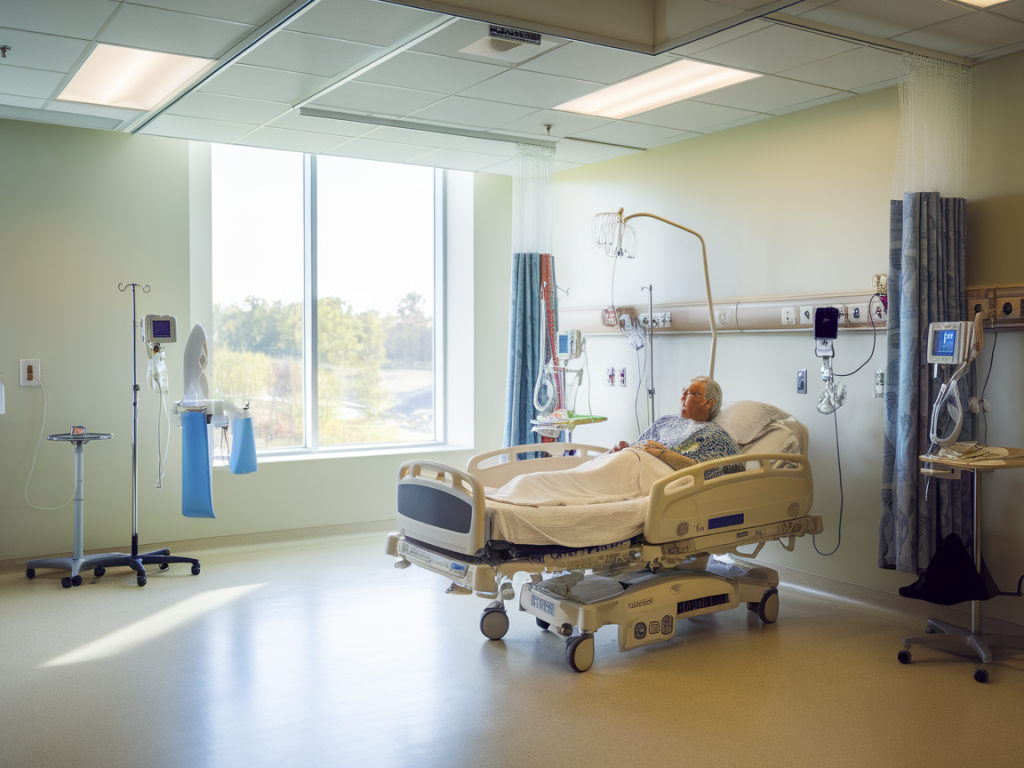
I remember the first time I walked into a suburban community hospital and realized how different its rhythms were from the big urban medical centers I’d reported on. There was a quiet urgency—fewer specialists on site, stretched nursing shifts, and patients who relied on the hospital as a primary hub for care. It struck me then that these hospitals aren’t just care sites; they’re laboratories. Over the past few years I’ve watched small and midsize hospitals become inadvertent testbeds for a wave of remote-monitoring startups. Here’s how and why it’s happening, what it means for patients and clinicians, and the questions I keep hearing from readers.
Why suburban hospitals are attractive to remote-monitoring startups
Startups need environments where they can iterate quickly, collect real-world data, and show measurable outcomes. Suburban hospitals offer several advantages:
Put simply, these hospitals offer a blend of openness and necessity. A startup can show a district hospital chief financial officer a potential reduction in 30‑day readmissions and get a pilot approved far faster than in a multi-hospital urban system entangled with legacy vendors.
What startups bring—and what they really want to test
Remote-monitoring companies arrive with devices, dashboards, and workflows meant to move care out of hospitals and into homes. Their pilots typically focus on:
But beyond validating technology, startups are hunting for operational insights they can’t replicate in the lab: integration with EHR systems (Epic, Cerner, Meditech), how nurses incorporate alerts into shift routines, patient adherence patterns in non-urban households, and billing pathways—are insurers willing to reimburse RPM (remote patient monitoring) codes? The answers determine product-market fit.
How pilots are run on the ground
From conversations with clinicians and vendor reps, pilots typically follow a similar arc:
What surprises many people is how much of the pilot’s success hinges on human workflows, not the gadget. A perfectly accurate vitals feed is useless if it generates hundreds of false alarms or lands in an inbox no one monitors. For that reason, many pilots evolve into quiet experiments in workflow redesign as much as technology validation.
What patients experience—and what they ask
Patients tend to have three core concerns when remote monitoring is introduced:
In my reporting, patients in suburban hospitals are pragmatic. Many appreciate the reassurance of a nurse seeing a daily weight or oxygen trend. Others drop out because of tech complexity or alarm fatigue. Successful pilots often include hands-on support—care navigators who call to troubleshoot a device—and transparent consent about who accesses the data.
The business models and incentives at play
Startups pitch a few monetization paths:
Suburban hospitals are often open to revenue-sharing pilots because the upside—fewer penalties, lower readmission costs, better capacity management—is tangible. But sustainable deployment requires clarity on reimbursement (CMS CPT codes for RPM exist, but adoption and payment levels vary), the total cost of ownership (devices, staffing, training), and long-term vendor reliability.
Regulatory and ethical questions
Remote monitoring raises thorny issues that pilots must confront:
In suburban contexts, these questions get complicated. Broadband access may seem better than rural areas but still varies; older adults can be digitally excluded. Hospitals and startups need explicit agreements on consent, data stewardship, and escalation protocols to avoid unintended harms.
What successful pilots look like
From my conversations, the pilots that scale share patterns:
Examples I’ve seen: a suburban hospital in the Midwest that cut heart-failure readmissions by training its discharge team to bundle a home scale and daily nursing outreach; a community network in the Sun Belt that negotiated a shared-savings contract with a startup to monitor COPD patients, tying payments to reductions in ER visits. The commonality is pragmatic adaptation: tech is only useful when it fits into how people actually work.
Practical advice if your local hospital invites a pilot
If your suburban hospital is talking about becoming a test site, here are questions I’d ask as a reporter—and you should ask as a patient or local stakeholder:
Demanding clarity on these points doesn’t hinder innovation; it makes pilots safer and more ethical.
What I’m watching next
Over the next year I’ll be tracking whether remote monitoring pilots in suburban hospitals translate into broader adoption or simply fade after one-off grants and temporary staffing. Key variables to watch include insurer reimbursement decisions, consolidation of startups (will big EHR vendors buy or copy these features?), and whether hospitals can operationalize monitoring without adding unsustainable workload to nursing teams.
Suburban hospitals are quietly shaping the future of remote care. They’re places where necessity, flexibility, and community trust intersect—conditions that startups covet. But the real test is whether these experiments lead to equitable, durable improvements in care, not just glossy pilot reports. As these pilots scale, I’ll keep asking the same question I asked in that first quiet hospital corridor: who benefits, and at what cost?