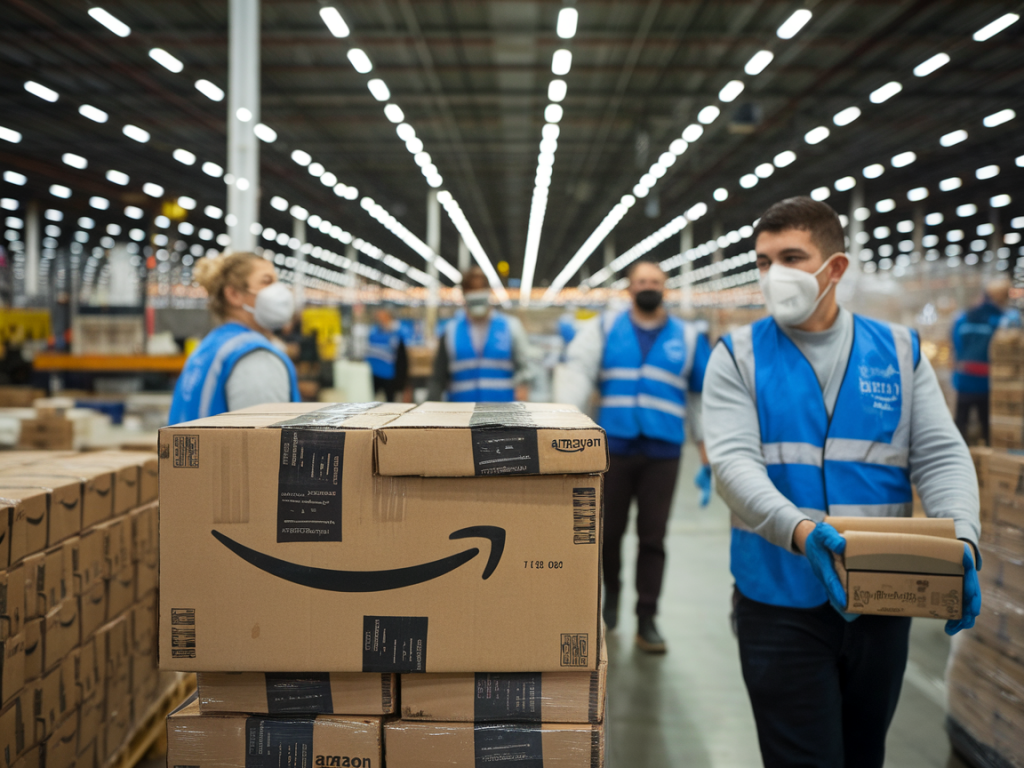
I’ve been following the slow-burning but increasingly visible tide of union activity at Amazon warehouses for years. After the surprise victory in Bessemer, Alabama in 2021 — which was later overturned — and the shock win in Staten Island in 2022, the conversation has moved from “can it happen?” to “where next, and what will it look like?” If you’re trying to understand the next wave of organizing, here are the questions I keep asking and the signs I’m watching closely.
Who are the workers leading the charge?
One misconception I often hear is that union drives are led by a small, predictable demographic. In reality, organizers are a cross-section: long-tenured pickers and packers, seasonal hires who stay on, and increasingly, tech-savvy younger employees who use social media to amplify grievances. What unites them is repeated exposure to the same pain points — demanding productivity quotas, unpredictable schedules, and concerns about workplace safety.
Two specific groups matter in my view:
Which Amazon sites are most vulnerable?
Not all fulfillment centers are equal. I watch for certain signals that make an FC more likely to see a credible organizing push:
In practical terms, that points to certain regions — the U.S. Sun Belt, some Midwestern logistics hubs, and urban centers with strong labor traditions. But Amazon’s global footprint means organizing can flare anywhere from Poland to Mexico to the UK, depending on local laws and movement strength.
What tactics are organizers using now?
Organizers have learned from earlier campaigns. Their playbook is more hybrid and tech-enabled than before. Key tactics include:
What’s new is how organizers integrate gig-style communications and worker-to-worker networks. They’re not just leafleting; they’re building durable communication chains that persist through turnover.
How is Amazon responding, and what does that mean?
Amazon’s response has been sophisticated and well-funded. They combine traditional union-avoidance tactics with modern digital outreach:
What I notice is Amazon’s layered approach: they try to address the immediate grievances (higher pay offers) while simultaneously undercutting the organizing narrative by framing unions as unnecessary third parties. For observers, that means victory for unions won’t be just an outcome of grievance intensity — it will depend on whether organizers can sustain pressure long enough to withstand these countermeasures.
What role do labor laws and election rules play?
Labor law is often the decisive arena. In the U.S., rules administered by the National Labor Relations Board (NLRB) govern how elections are run, how quickly they must happen, and what counts as unlawful interference. Small procedural advantages can be huge: delays, contested voter eligibility, and jurisdictional fights can all change the momentum.
Internationally, the landscape varies wildly. Some countries make recognition almost automatic once a majority shows support; others require lengthy formal ballots with legal hurdles. That’s why organizers sometimes choose sites strategically — both for worker conditions and for favorable procedural environments.
What are workers most worried about?
When I talk to workers, three anxieties come up most often:
Addressing these fears is central to whether a campaign can succeed. Organizers often focus on concrete, achievable wins — safer lifts, revised break policies, or a grievance procedure — to prove the union’s value early on.
What could a successful next wave mean for the broader labor movement?
If unions score multiple wins in fulfillment centers across regions, it would shift the narrative: Amazon would no longer be seen as impregnable. That would have ripple effects:
But the movement needs durable wins — not just symbolic victories. I’m looking for sites that win legally and then translate that into improved contracts and sustained organizing power across a region.
Metrics and signals I track
| Signal | Why it matters |
|---|---|
| Increase in injury reports | Signals operational strain and worker grievances |
| Turnover spikes | Indicates dissatisfaction and organizing opportunity |
| Local union presence | Provides organizing capacity and legal support |
| Intensity of company countermeasures | Shows how seriously Amazon views a site |
| Social media traction from workers | Amplifies campaigns and builds public support |
Questions readers often ask — short answers
Will Amazon shut down or relocate if a site unionizes? Rarely. Closing a major fulfillment center is costly. More commonly, companies may slow hiring or adjust operations. A localized union win is more likely to change terms than trigger a shutdown.
Can a union victory at one site force industrywide change? Not by itself, but it sets a precedent. The real leverage comes when victories are replicated and connected across geographies.
Are tech tools making organizing easier or harder? Both. Tech makes communication faster and organizing more resilient to turnover, but it also enables sophisticated employer surveillance and targeted anti-union messaging.
What should investors watch? Labor-related expenditures, potential contract liabilities, and reputational risk. Repeated organizing successes can lead to higher operating costs and need to be priced into forecasts.
I’ll be watching the next few months closely for where campaigns pick up steam, how organizers adapt to Amazon’s counterplay, and whether local labor laws tilt the field. The interplay between workplace conditions, corporate strategy, and legal rules will determine whether this next wave is a ripple or a real tide for workers and the wider economy.