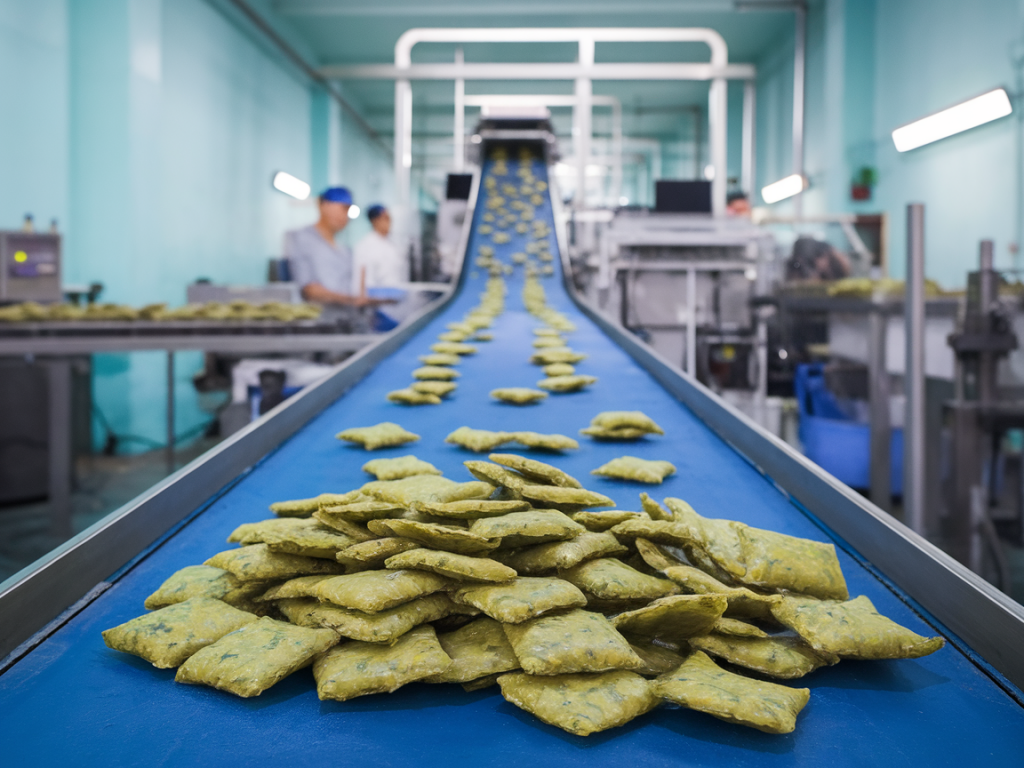
I started noticing algae in snack ingredient lists a couple of years ago and, like many readers, I raised an eyebrow. Seaweed in chips felt niche. But today I see algal protein popping up on packaging from big brands and startups alike — from crackers and protein bars to savory crisps. As someone who follows food trends at the intersection of markets and policy, I wanted to understand why food companies are reformulating snacks with algal protein, what it actually is, and what consumers should expect when they pick up a bag or bar that touts “algal protein” on the label.
What is algal protein — and why now?
Algal protein refers to protein derived from algae, including microalgae (microscopic single-celled organisms) and macroalgae (seaweeds). The forms companies use in snacks are usually concentrates or isolates produced from microalgae species like Chlorella or Spirulina, and increasingly from newer strains bred or cultivated for higher protein yield and neutral taste.
The timing makes sense. Food manufacturers are under pressure on several fronts: climate-related supply chain risks, rising consumer demand for plant-based protein, tighter regulations on ingredients like added sugars and artificial additives, and investor interest in scalable, sustainable ingredients. Algal protein touches many of those boxes. It offers a compact protein source with a smaller land and freshwater footprint than most terrestrial crops and livestock — a selling point for sustainability-minded brands and shoppers.
Why companies are reformulating snacks with algal protein
Environmental positioning: Brands can credibly claim reduced land and water use. Compared with beef or even some pulses, microalgae can be grown in controlled systems with high productivity per square meter.Protein claims and nutrition: Snacks have raced to add protein. Algal protein allows companies to boost protein content while keeping products vegan and allergen-friendly (depending on processing).Functional properties: Some algal ingredients provide emulsifying, gelling, or texturizing properties that help maintain mouthfeel in lower-fat or gluten-free snacks.Differentiation and marketing: In a crowded aisle, “algae” reads as innovative and health-forward. Startups especially use it to stand out; bigger brands follow once supply and cost stabilize.Supply chain diversification: Relying less on soy or pea protein can be attractive given price volatility and environmental scrutiny of commodity crops.How algal protein changes a snack — taste, texture, nutrition
When I taste-test new products, I look for honest trade-offs. Algal protein can alter snacks in three main ways:
Taste: Early generations of algal ingredients carried strong marine notes — think seaweed or earthy spirulina flavors. But companies have invested in refining strains and processing to reduce that “green” taste. Expect milder products now, though some sea-salty or umami-forward snacks intentionally leverage algae's marine character.Texture: Because algal isolates can bind water differently from wheat or soy, they affect crispness and chew. Manufacturers tweak fat content, starches, and frying/baking profiles to recreate familiar textures.Nutritional profile: Protein per serving can improve, sometimes alongside added micronutrients like B12 (naturally present in some algae) or iron. But be wary: boosting protein by a few grams doesn’t always make a snack healthy — calories, sodium, and processing level still matter.Brands and products to watch
I’ve seen a few approaches in the market:
Startups positioning algae as the star ingredient — bars and crispbreads that market sustainability and protein density.Mainstream snack companies incorporating algal protein blends to reformulate legacy products, reducing reliance on soy or whey while keeping prices competitive.Functional snacks that mix algal protein with other plant proteins (pea, rice) to balance taste and amino acid profiles.Examples include products from upstart brands using microalgae isolates and some larger brands experimenting with seaweed-seasoned chips. Keep an eye on partnerships between algae ingredient companies (often biotech startups) and consumer-packaged goods firms — those deals often signal scaling and broader retail availability.
What consumers should expect on labels
Reading labels will help you separate genuine innovations from marketing. Here’s what I look for:
Ingredient specificity: Is it listed as “microalgae protein,” “spirulina,” or a proprietary ingredient name? The clearer, the better.Protein amount: How many grams per serving? Compare to alternatives (e.g., a protein bar’s 8–20g range).Processing level: Is the product heavily sweetened or full of artificial additives? Algal protein doesn’t automatically make a snack healthy.Allergen and dietary claims: If you have allergies, check whether the product is processed on shared equipment. Vegan and gluten-free claims are common but verify if that matters to you.Risks, trade-offs, and what’s still uncertain
I don’t want to oversell algae. There are real trade-offs and open questions:
Cost and price pressure: Algal ingredients remain more expensive than many commodity proteins. That premium can either increase product prices or force cost-cutting elsewhere (lower-quality fats, more additives).Processing footprint: Some algal proteins require energy-intensive processing — the environmental story is not automatically positive across all production methods.Allergenicity and digestibility: Most algae are low-allergen, but new ingredients should be monitored for tolerance in sensitive individuals. Also check fiber content: some algal products can be rich in indigestible polysaccharides causing digestive changes for certain people.Taste fatigue: Consumers may tire of the green/sea flavor if not well masked. Expect an evolution: niche sea-salt/umami snacks will celebrate it; mass-market items will aim for neutral taste.How regulators and retailers are shaping adoption
Regulatory acceptance matters. In some regions, novel algal strains require food safety approval. Retail buyers also play a gatekeeping role: they’ll test consumer acceptance and price elasticity before rolling products out widely. Investment by large CPG firms signals confidence and helps scale supply, often normalizing prices and pushing algae from specialty shelves to mainstream snack aisles.
How to decide whether to try algal-protein snacks
If you’re curious, I recommend a pragmatic approach:
Try one product that highlights algae as an ingredient but isn’t marketed as a miraculous health food.Compare nutrition panels: does the algal version offer meaningful protein gains without excess sugar or sodium?Watch for taste: if you enjoy umami or seaweed flavors, you’ll probably like many algal snacks; if you prefer neutral profiles, select items that list “algae protein isolate” or blends designed for mildness.Consider values: if lowering land and water footprint matters to you and the company is transparent about production methods, that may tip the balance.Looking ahead
I expect algal protein to move from niche to mainstream over the next five years, particularly in categories where its functional properties and sustainability narrative fit naturally — think savory snacks, crackers, and blended protein bars. The key for consumers will be discerning real nutrition improvements and transparent sourcing from clever marketing. For my part, I’ll keep tasting, reading labels, and following the deals between algae ingredient firms and snack giants — those partnerships will tell us whether algae becomes a pantry staple or a short-lived trend.