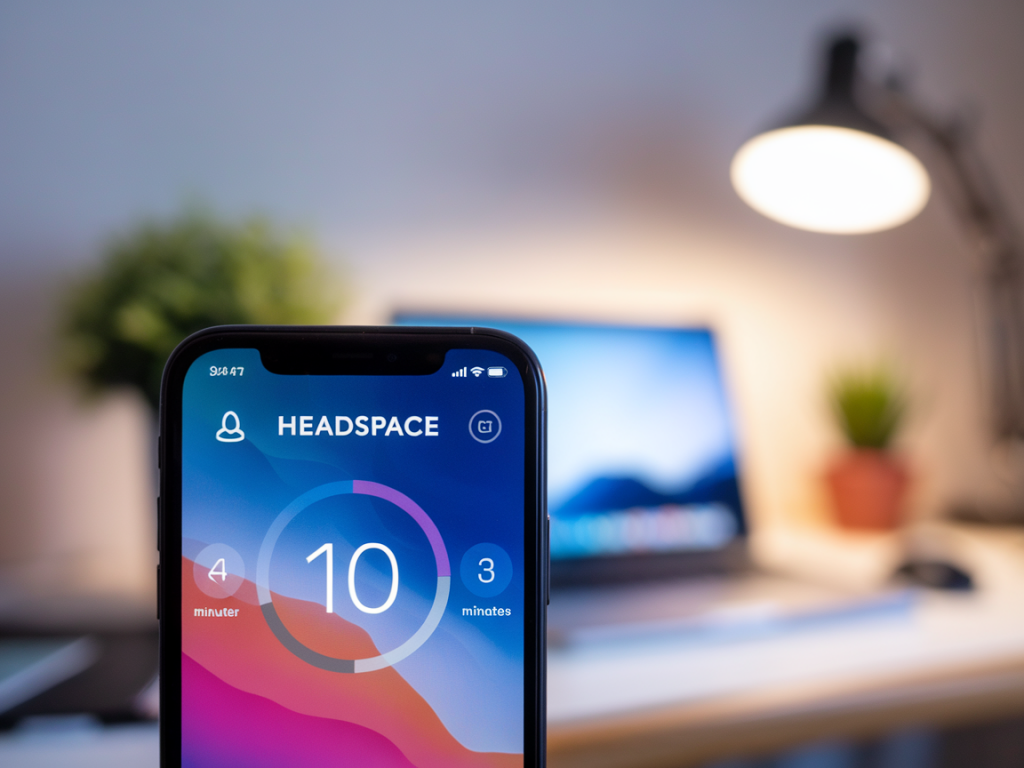
I’ve been using meditation apps like Calm and Headspace for years — sometimes as a quick breathing break between meetings, sometimes as a way to sleep after a long travel day. They feel personal, private and helpful. Lately, though, those apps have become the center of a much larger conversation about privacy, data use and regulation. What was once framed as a benign wellness tool is increasingly treated like sensitive health technology, and that shift matters for users, developers and regulators alike.
Why the scrutiny is growing now
There are a few simple reasons why mental health and meditation apps are getting new attention. First, the scale: millions of people now use these services daily. Second, the sensitivity of the data they collect — mood logs, sleep patterns, notes about anxiety or depression, and in some cases, voice recordings. And third, the broader regulatory climate: governments and privacy regulators are paying more attention to how technology handles health-related information.
Put together, those factors make these apps a natural target for scrutiny. Regulators are no longer willing to treat “wellness” as a soft category outside the realm of health rules. When an app helps someone manage anxiety, it can cross into territory that traditionally falls under medical privacy protections. That raises real questions about consent, anonymization, third-party sharing and algorithmic profiling.
What data do meditation and mental health apps actually collect?
It varies by product, but here are the common categories I’ve seen across popular apps like Calm and Headspace, plus smaller therapy-adjacent services:
On their own, some of these items seem harmless. But combined they create a rich profile of someone’s mental health state and routines — precisely the kind of information that regulators consider high-risk.
Real risks for users
I’m most concerned about three practical risks people face when they use these apps:
These risks aren’t hypothetical. Over the past few years, research and reporting have found lapses in how wellness apps handle data. That’s why regulators and privacy advocates are pressing for clearer rules.
How regulators are responding
There’s no single global approach, but I see two converging trends.
Some regulators are also exploring rules around AI-driven recommendations. Many meditation apps use personalization algorithms to suggest sessions; when those recommendations affect a user’s mental state, regulators want to know how the models were trained, whether they embed biases, and whether users can contest automated decisions.
What companies like Calm and Headspace are doing
Large wellness brands have started updating their privacy practices and product designs. I’ve tracked a few recurring steps:
But transparency alone isn’t enough. The question is whether users can meaningfully control how their information is used — and whether regulators will require higher barriers when apps cross into clinical territory.
What users should ask and look for
As someone who both uses these tools and covers the policy debates, I try to practice what I preach. Here are a few practical steps I recommend to readers who want to use mindfulness or mental health apps wisely:
What I’d like to see from policy makers and industry
My perspective is practical: these apps can be beneficial, but they need guardrails that match the sensitivity of the data they hold. That means policymakers should:
Industry, for its part, should adopt privacy-by-design practices and be proactive about independent audits — especially when algorithms shape advice that affects mental well-being.
Using meditation apps shouldn’t mean trading away control over highly personal information. As the debate over privacy and regulation heats up, my hope is that we’ll find a balance that preserves the benefits of digital mental health tools while protecting users from unexpected harms.