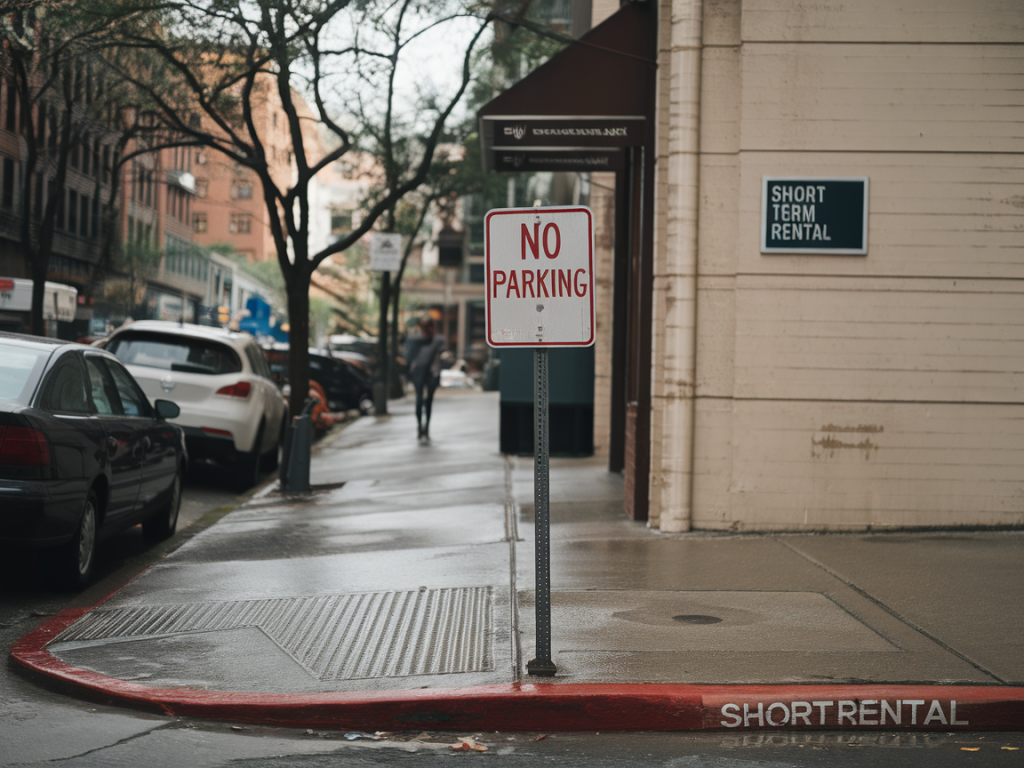
I’ve spent months tracking how cities and counties respond — or fail to respond — when short-term rental platforms like Airbnb and Vrbo expand into neighborhoods. What struck me most is how often local governments create or tolerate zoning loopholes that effectively allow these platforms and their hosts to sidestep safety, inspection, and tenant-protection rules. This isn’t always the result of malice; sometimes it’s regulatory confusion, limited enforcement capacity, or the tug-of-war between economic development and neighborhood stability. But the outcome is the same: loopholes become a fast lane for risky operations to proliferate.
How zoning language creates gaps
Zoning codes are legal documents that spell out what activities are permitted in different parts of a city. They were written for a world of permanent land uses: single-family homes, multifamily apartments, retail, offices, light manufacturing. Short-term rentals (STRs) — rentals for days or weeks, often coordinated through online marketplaces — don’t fit neatly into those categories.
When cities update ordinances to address STRs, the specific words matter. Vague or historically framed definitions lead to loopholes. I’ve repeatedly seen a few patterns:
Definition avoidance: Ordinances that limit “commercial” lodging in residential zones often only name hotels and motels, not short-term rentals. Platforms argue hosts are simply “renting out a room in a residence,” which many zoning codes don’t classify as commercial activity.Transient vs. residential distinction: Some codes prohibit “transient housing” but define that term narrowly—e.g., occupancy under 30 days only applies to properties that meet hotel licensing rules, leaving standalone homes in the clear.Accessory dwelling units (ADUs) and home-sharing carve-outs: Cities that legalize ADUs for housing affordability sometimes forget to restrict their use. That creates an avenue for hosts to register ADUs as housing while operating them solely as STRs without the safety oversight applied to commercial lodging.How platforms and hosts exploit these gaps
Platforms generally position themselves as technology intermediaries, not hospitality operators. That posture lets them claim limited responsibility for regulatory compliance. But the platforms also design features that make exploiting zoning ambiguities easy:
Instant-booking and multi-listing tools: These create commercial-scale operations that look more like an unregulated hotel chain than a neighbor renting a spare room.Host dashboards and trust badges: Platforms offer icons and “verified” status that reassure guests even when municipal inspections have never occurred.Rental arbitrage guidance: Some platform-adjacent consultants advise entrepreneurs to lease units in residential buildings and operate them as STRs, sometimes hiding the activity from landlords or management.Hosts exploit loopholes by relying on categories like “primary residence” to skip registration, or by structuring listings as shared rooms rather than whole-home stays. In other cases, hosts register small businesses in permissive jurisdictions and argue they fall under permitted home occupations or short-term guest lodging exemptions.
Real-world examples
Different municipalities take very different approaches. A few cases I followed illustrate the range of outcomes:
New Orleans: After years of neighborhood pushback, the city adopted stricter rules, including registration and caps on nondomestic whole-home listings. But enforcement remains resource-constrained; many illegal operators continue because code enforcement teams are small and fines are weak.Austin, Texas: The city initially banned whole-home STRs in many neighborhoods, but litigation from hosts and pressure from the tourism sector led to watered-down rules and exemptions, creating a patchwork where some areas are tightly regulated and others effectively open.European cities like Barcelona and Lisbon: They pursued license systems that tie STR permission to specific buildings and safety inspections. That reduced numbers, but created secondary markets where hosts sell or rent legal licenses—another loophole that shifts value rather than safety outcomes.Safety consequences
Loopholes matter because they affect real risks. When STRs evade zoning and inspection, several safety concerns emerge:
Fire and building code violations: Multi-occupancy use increases fire risk. Without inspections, hosts may ignore smoke alarms, egress requirements, or altered electrical systems to add more sleeping spaces.Eviction and tenant displacement: Landlords can convert long-term rentals to STRs to chase higher short-term revenue, displacing tenants and destabilizing housing supply without triggering the usual conversion review processes.Public safety monitoring: Short-term guests are transient by definition, making it harder for neighborhoods to detect patterns of crime or nuisance. Police and emergency services often lack quick access to host contact information because platforms control guest-host communication.Why enforcement often fails
Even when cities adopt strong rules, several practical barriers limit enforcement:
Data opacity: Platforms have historically resisted sharing granular data on listings, bookings, and hosts. Some have started sharing limited datasets after pressure, but it’s often incomplete or delayed.Resource constraints: Municipal enforcement relies on small teams juggling housing, zoning, and safety complaints. They prioritize egregious violations or high-profile cases, letting many smaller but risky operations persist.Legal challenges: Hosts and platform trade groups bring lawsuits claiming municipal rules are preempted by state law or violate commerce protections. Litigation can freeze enforcement for years.What actually works — and what doesn’t
Learning from cities that have moved the needle, here are policies and practices that produce better safety outcomes:
License-and-inspect systems tied to address-level data: Requiring every STR to have a license number that appears in listings helps enforcement and gives guests a visible safety cue.Automatic data-sharing agreements with platforms: Some cities have negotiated real-time access to listing and occupancy data, reducing the “needle in a haystack” problem for inspectors.Targeted caps and no-strike zones: Limiting whole-home STRs in certain residential districts, while allowing home-sharing in primary residences, balances tourism with community stability.Meaningful penalties and fast-track takedowns: Fines that exceed the profits from illegal listings, combined with coordinated takedown requests to platforms, deter repeat violators.Strategies that fall short include simple registration without inspection, voluntary platform compliance pledges, and one-off moratoria that don’t address enforcement or secondary markets for licenses.
What I think cities should prioritize now
I’ve seen that municipal leaders can make meaningful progress by focusing on three practical steps:
Close definitional gaps: Amend zoning and lodging codes to clearly define transient lodging, whole-home rentals, and home-sharing, eliminating ambiguity that platforms can exploit.Demand actionable data: Require platforms to provide verified host information, calendar and booking histories, and license numbers for every listing. Tie compliance to local penalties and platform liability.Invest in enforcement capacity: Use registration fees and fines to fund inspection teams and a streamlined complaint portal. Enforcement should be visible and predictable to change host behavior.Questions readers often ask
Below I answer the most common questions I get when reporting on this topic.
Can platforms be held responsible? Yes, increasingly. Some jurisdictions have adopted laws that make platforms jointly liable for unlicensed listings, or require them to delist noncompliant properties after a single verified violation. The legal landscape is evolving and varies by state and country.Do stricter rules kill tourism? Not necessarily. Cities that crafted nuanced systems—allowing responsible home-sharing while restricting commercial conversions—have maintained tourism revenues while protecting neighborhoods.How can neighbors report violations effectively? Document dates, listing IDs, and any safety concerns. Use municipal portals when available, and push for transparency: demand that your city publish enforcement statistics so you can see action over time. | Policy | Effectiveness | Implementation challenge |
| License + mandatory inspections | High | Moderate (requires staff) |
| Data-sharing mandates | High | High (negotiation + legal pushback) |
| Voluntary platform compliance | Low | Low (minimal enforcement) |
Ultimately, closing zoning loopholes isn’t about punishing individual hosts or driving away visitors. It’s about aligning the rules with the realities of how short-term rentals operate today: as a mix of informal home-sharing and commercialized, platform-driven hospitality. When laws are clear, data flows, and enforcement is funded, cities can protect residents without sacrificing the economic benefits of tourism. As I continue covering this issue for Thepostview, I’ll keep tracking which cities manage that balance well—and which ones leave dangerous gaps open for too long.