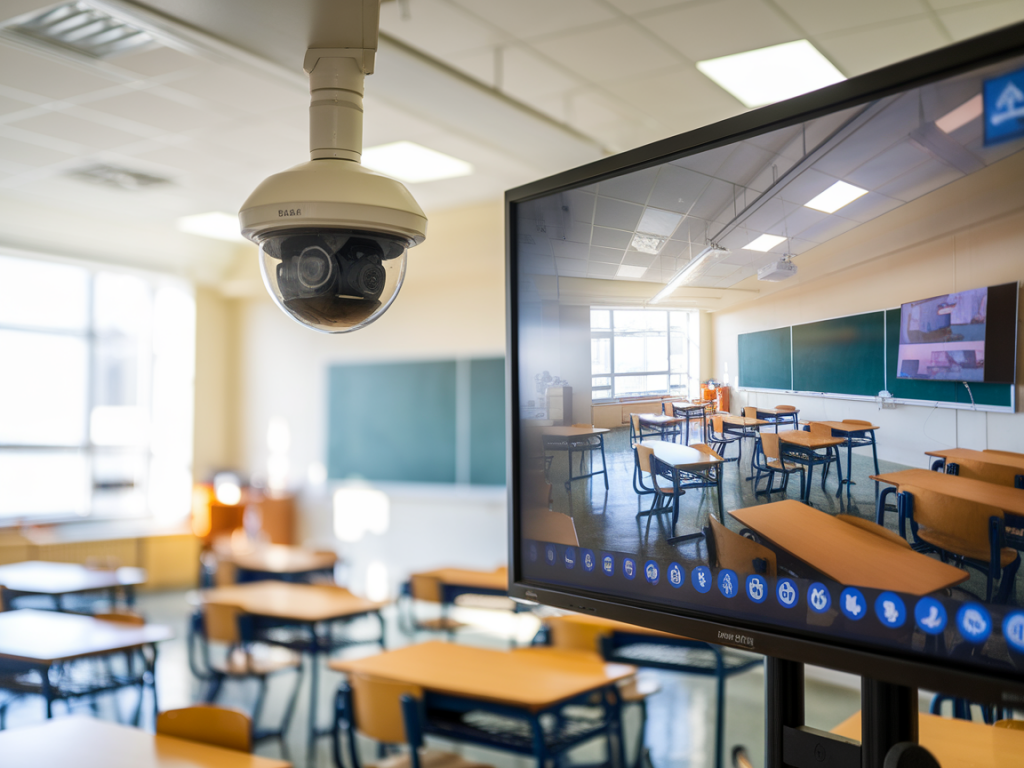
When schools consider adopting remote monitoring tools—from attendance and parent communication platforms like ClassTag to classroom management and monitoring suites such as GoGuardian or Lanschool—parents are right to ask hard questions. These tools promise convenience and safety: better communication, easier homework tracking, and the ability to supervise online learning. But they also introduce new risks around privacy, data security, student autonomy, equity, and mission creep. As a parent and someone who writes about technology and policy, here are the concrete safeguards I believe parents should insist on before any remote monitoring tool becomes part of a child’s school life.
Demand clear purpose and scope
The first safeguard is clarity. Parents should be able to answer two basic questions: Why is this tool being used, and what exactly will it monitor? Schools should provide a plain-language explanation that links the tool to specific educational or safety objectives—attendance, assignment tracking, filtering harmful content—not vague promises of “improving engagement.”
Insist on a written policy that defines scope and limits. Does the solution monitor websites visited, keystrokes, webcam feeds, or location? Is monitoring limited to school hours or devices managed by the district, or does it extend into evenings and personal devices? If the answer isn’t explicit, push back.
Insist on parental and student notification plus meaningful consent
Notification isn’t enough. Schools should obtain meaningful consent from parents and, where appropriate, assent from students. That consent must be informed: a one-page summary explaining what data is collected, how it’s used, who can access it, and how long it’s kept. Vague phrases like “for analytics” or “to improve services” shouldn’t satisfy this requirement.
For younger children, parental consent is crucial; for older students, districts should have clear policies about when and how students can be asked to agree. Parents should also have the right to opt children out of non-essential monitoring without penalizing the student academically.
Data minimization and purpose limitation
A strong safeguard is a binding commitment to collect only what is strictly necessary and to use data only for the stated, narrow purpose. If a platform tracks browser history to prevent access to malicious websites during class, it should not retain full browsing logs for months or use them for behavioral profiling.
Ask to see a data map: what fields are collected, are there sensitive categories (e.g., health, biometric, special education status), and which are shared externally? Ask for an explicit ban on secondary uses like targeted advertising, algorithmic profiling, or selling data to third parties.
Security and breach transparency
Parents should demand robust technical safeguards and a transparent incident response plan. That includes encryption in transit and at rest, strong access controls, regular penetration testing, and clear policies for vendor employees’ access.
Equally important: a timely breach notification policy. If a platform storing student data is compromised, parents and administrators should be notified promptly with actionable details—what was exposed, which students are affected, and what steps are being taken.
Limited retention and deletion rights
Data shouldn’t be kept forever. Insist on retention schedules that align with the purpose (e.g., class activity logs deleted after a semester unless there’s a legitimate reason to keep them) and on an easy process for parents to request deletion of their child’s data when appropriate.
Human oversight and limits on automated decision-making
Tools that analyze student behavior or flag “at-risk” students might sound helpful, but they can generate false positives and stigmatize kids. Parents should require that any automated flags are reviewed by trained humans before action is taken, and that there is a transparent process for challenging or correcting erroneous findings.
Third-party audits and independent oversight
Trust but verify. Ask that vendors undergo independent privacy and security audits and that summary reports be made public or available to parents. Some districts create privacy advisory boards—composed of educators, parents, technologists, and civil liberties advocates—to review contracts and data practices. That level of oversight helps ensure promises on paper are implemented in practice.
Contractual protections and vendor accountability
District contracts should explicitly prohibit data resale and targeted advertising and include audit rights, penalties for misuse, and obligations to comply with local privacy laws (FERPA in the U.S., GDPR in Europe where relevant). Ask whether the vendor can subcontract data processing and require all subprocessors be listed and vetted.
Equity and accessibility considerations
Monitoring tools can exacerbate inequalities. For students sharing devices at home, monitoring may capture family members’ activity. For students in unstable housing, location tracking or persistent monitoring can create safety risks. Parents should push for policies that protect vulnerable students—for example, limiting home monitoring, providing school-managed devices for those who need them, and ensuring tools are accessible to students with disabilities.
Transparency about staff training and governance
Technology is wielded by people. Ask what training teachers and administrators receive on ethical use, data handling, bias mitigation, and responding to flagged incidents. There should also be clear governance: who in the district approves monitoring, who has access to dashboards, and what logs exist to audit human access to student data?
Right to opt out and reasonable alternatives
Parents should be able to opt their children out of non-essential monitoring without harming the student’s educational experience. That means districts must offer reasonable alternatives—paper submissions, in-class participation options, or on-campus supervised devices—so that opting out doesn’t become punitive.
Practical checklist for conversations with your school
| Ask for: | What to look for: |
| Written purpose statement | Clear, limited reasons for use, time-bound scope |
| Data inventory | Fields collected, retention periods, sensitive categories |
| Consent process | Plain-language notices, opt-out options, student assent rules |
| Security controls | Encryption, access logs, independent testing |
| Audit reports | Third-party privacy/security assessments |
| Contract clauses | No sale of data, breach obligations, subprocessor disclosure |
| Human review policy | All automated flags reviewed by trained staff |
| Equity measures | Alternatives to home monitoring, accommodations for vulnerable students |
These safeguards aren’t theoretical—they’re practical demands parents can and should make. When a vendor like ClassTag or any remote monitoring provider is proposed, insist on a public discussion, clear documentation, and binding commitments. Technology can support learning, but only if the community negotiates the boundaries: who controls the data, how it will be used, and who is accountable when things go wrong. I encourage you to bring these questions to your next school board meeting; the quality of those answers will tell you whether the tool is serving students—or exposing them.