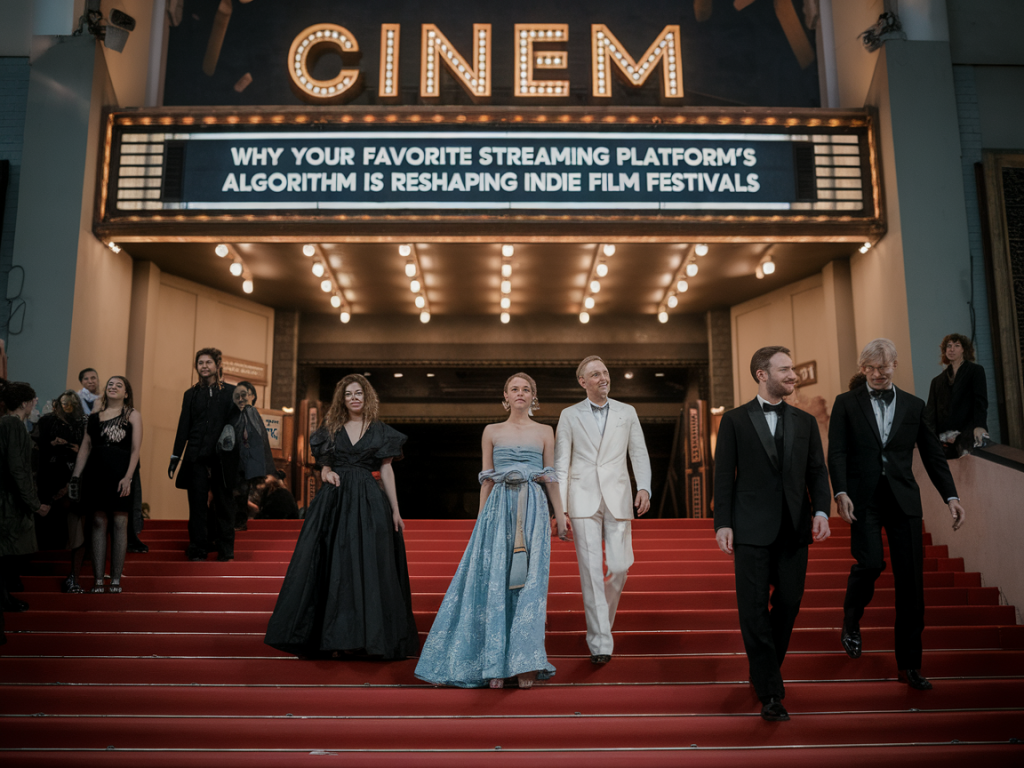
I remember the first time I watched a midnight screening at an indie festival and felt the electricity in the room — strangers laughing, gasping, whispering together. That communal experience felt resistant to algorithms: unpredictable, human, and delightfully messy. But in the past decade, the hands that once flicked the dimmer switch have been joined by code. Today, the recommendation engines that decide what shows up on Netflix, Amazon Prime, YouTube, and even smaller platforms are quietly reshaping the lifeblood of indie film festivals.
How streaming algorithms meet the festival circuit
Streaming services use algorithms to surface content based on viewing habits, metadata, engagement signals (likes, completions, rewatches), and increasingly, machine-learned notions of "taste." For big budget series, that means careful optimization of trailers, release windows, and audience targeting. For independent filmmakers and festivals, algorithmic attention translates into visibility — or its absence.
When a festival programmer chooses a lineup, they still curate for a live audience. But festivals are also chasing digital attention: social shares, press pickups, invitations to online screenings, and potential acquisition by platforms. Algorithms determine what films show up in viewers' personal queues and what clips make it onto trending pages. That double pressure pushes festivals to think like streaming platforms and filmmakers to think like growth marketers.
What changes when discoverability is quantified
At heart, algorithms make discoverability quantitative. Instead of a programmer's gut or a critic's essay, you have metrics — click-through rates, completion percentages, audience retention curves. Those numbers are seductive because they seem objective. But they restructure incentives in ways that matter to creators and audiences.
- Genre compression: Algorithms favor clear category signals. Films that can be labeled “thriller,” “feel-good,” or “arthouse” are easier to recommend than nuanced hybrids. That nudges some filmmakers toward genre clarity to increase algorithmic matchmaking.
- Thumbnail and runtime strategies: Shorter runtimes and punchy thumbnails perform better on platforms optimized for attention. Festivals used to prize slow-burn risk-taking; now, films that work in 90-second trailer snippets are often more marketable.
- Completion-driven editing: Platforms reward content that keeps viewers until the end. I’ve seen directors re-edit festival cuts to tighten their opening 10 minutes so that streaming algorithms register strong retention.
- Social-optimized moments: Scenes that can live as standalone clips on TikTok or Instagram become prioritized. Festival programmers notice which films generate micro-content and sometimes give those films prime slots to maximize buzz.
Festivals adapting (or not) to algorithmic pressure
Not all festivals respond the same way. Major festivals like Sundance and Toronto maintain their curatorial reputations while partnering with streaming platforms for distribution deals. Mid-sized and niche festivals face a tougher trade-off.
Some festivals have embraced data-driven tools. They analyze past ticketing and streaming data to predict which films will attract sponsors, sell passes, or generate press. Others offer analytics packages to filmmakers post-screening — audience demographics, viewing patterns during Q&As, social engagement metrics — to help creators pitch to buyers. And a growing number of festivals now design hybrid programs: a theatrical premiere followed by a timed release on a partner streaming service to maximize both in-person energy and algorithmic visibility.
But there's resistance. Programmers who value surprise and discovery worry about homogenization. If everyone programs for algorithms, the very qualities that make festivals special — the unexpected, the provocatively marginal — risk being sidelined.
What indie filmmakers are learning — fast
Filmmakers are acquiring marketing skills that used to belong to distributors. They think about metadata (tags, synopses, keyword placement), optimize thumbnails and trailers for platform A/B testing, and plan festival strategies around potential streaming windows. I’ve spoken with directors who time festival premieres to coincide with algorithm-friendly release schedules, believing that an early spike in online engagement can persuade platforms to favor their title.
At the same time, filmmakers are experimenting. Some use festivals as taste-making venues — prestige and critical acclaim help chase acquisition deals. Others bypass festivals, using platforms like Vimeo, YouTube, or even curated channels on Amazon to build an organic audience and show steady engagement metrics that appeal to larger streamers.
Risks to cultural diversity and risk-taking
The risk is subtle but real: algorithms amplify patterns. If most viewers click away from experimental pacing, the algorithm suppresses similar films. Over time, that feedback loop can shrink what counts as discoverable cinema. This matters because festivals historically incubated voices that mainstream distributors ignored.
We already see early signs: films with easily taggable identities and social-media-ready moments often get more downstream attention. Less flashy, formally daring works — those often celebrated in programming notes and critics’ wake — can struggle to find algorithmic traction, even after a successful live premiere.
Opportunities: new audiences, hybrid revenue, and data-informed curation
Not everything about this shift is negative. Algorithms can democratize access. A festival screening that’s archived on a platform can reach viewers globally who never could attend the in-person event. For filmmakers, that extends the tail of discovery beyond a single weekend.
Hybrid models also open revenue pathways. Festivals can license curated blocks to streaming services, secure sponsorships tied to measurable impressions, or offer pay-per-view screenings that provide transparent analytics to rights holders. Smart programmers can use data to refine programming without surrendering aesthetic judgment — blending metrics with curatorial expertise.
Practical advice for filmmakers and festival programmers
- Invest in metadata: write clear, searchable synopses and select precise genre tags. Algorithms can’t guess nuance; they need signals.
- Treat trailers as experiments: test different thumbnails and cut lengths for social platforms to see what increases completion and click-through rates.
- Capture moments: provide shareable clips or gifs that preserve a film’s tone without reducing it to a meme.
- Negotiate analytics: when licensing to a festival or platform, ask for viewer data. Even basic demographics and watch-time stats help in future outreach.
- Keep a festival strategy that balances prestige and reach: a prestigious premiere can boost long-term discovery, while platform-first releases can build an audience quickly.
Ultimately, the relationship between algorithms and festivals is not zero-sum. Algorithms already shape how we find stories; festivals still shape which stories we value. As someone who spends time between newsrooms, panels, and screening rooms, I see a new ecology forming — one that rewards those who understand both craft and the mechanics of attention. The challenge now is to hold on to the unpredictability that made festivals essential while learning to play the platform game well enough to keep diverse voices in the system.